
Peak cylinder pressure is a key indicator of combustion quality and cylinder balance in diesel engines. It shows whether injection timing, fuel quantity and loading conditions are within the desired range and helps identify cylinders that deviate from normal operation.
Using a mechanical peak pressure indicator makes sense because it allows very fast measurements without complex setup, power supply or software. You can take readings directly on the indicator while the engine is running, quickly compare cylinders and repeat checks during and after adjustments.
This quick, on‑site measurement supports efficient troubleshooting and fine‑tuning of injection systems, especially on board ships or in plants where time and resources are limited. A robust mechanical device is less sensitive to harsh environments, easy to handle for the crew and remains a proven tool for routine checks in many OEM and service procedures.
Measuring peak pressure is a simple, quick and cheap way to maintain engines.
When the combustion engine loses power, measuring compression (peak pressure) is often a first step in locate potential problems. When measuring the cylinders, the pressure on each compression stroke on the peak pressure indicator (gauge) increases until the maximum indicated by the engine manufacturer has been reached, or nearly reached.
If the measured pressure is significantly lower than indicated in the specification of the engine, this may indicate wear. When increasing the max. Cylinder pressure also increase the mechanical stresses.
Depending on how the peak pressure measurement value is, and the engine is set, then measures for repairing the engine can be initiated at short notice.
Features of the peak pressure indicator MSI-3
- CE marking
- Measuring range up to 300 bar
- High accuracy in all speed ranges
- Simple and easy operation
- Extremely robust, low maintenance
- Insensitive to vibration
- Steel pressure gauge in safety design
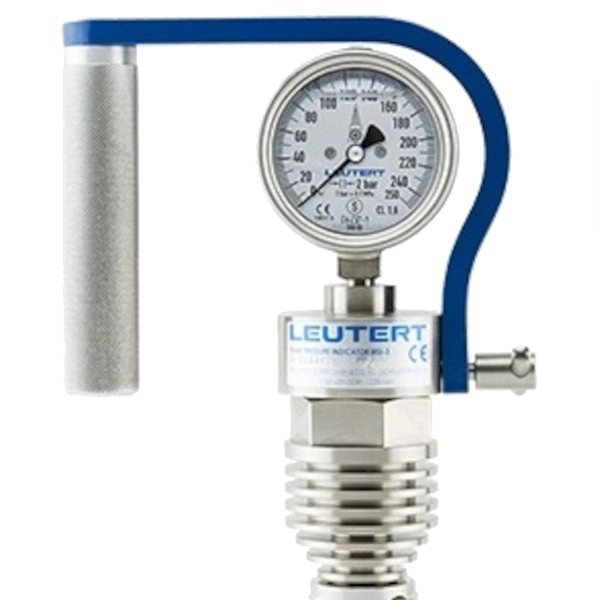
peak-pressure-indicator-msi3-HR
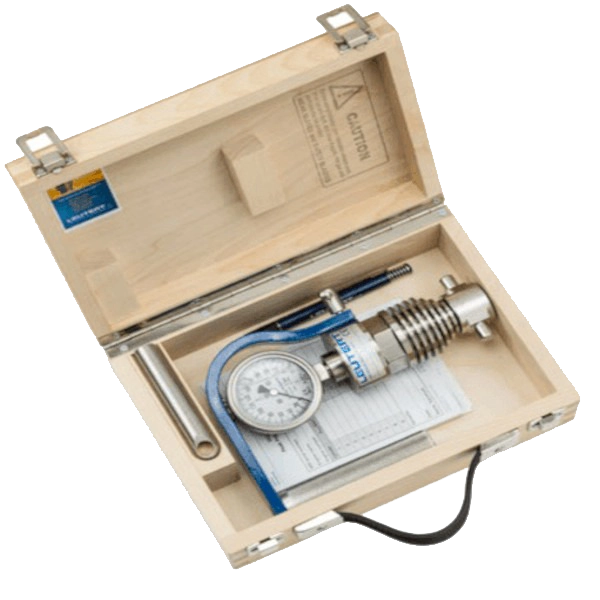
MSI Koffer
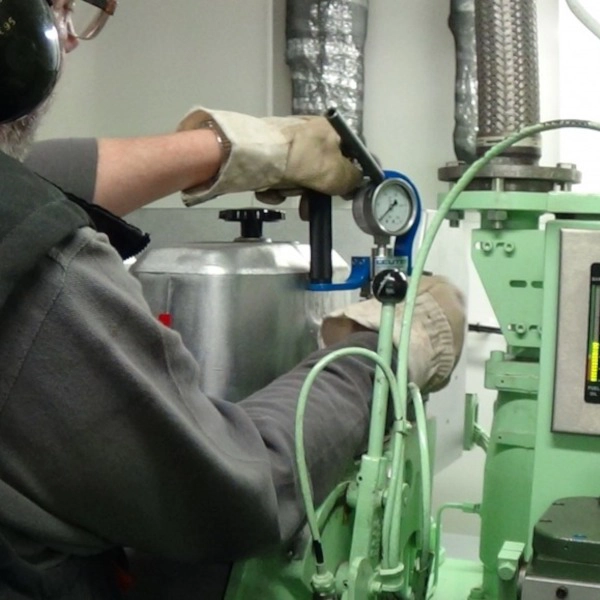
MSI-3
Description
Technical Specification
The MSI-3 peak pressure indicator measures the maximum cylinder pressure of large two- and four-stroke engines. It features a shock absorber integrated into a stainless steel body, a union nut, a pressure gauge and a handle, all safely stored in an instrument case.
The peak pressure indicator is attached to the engine via an indicator valve with the union nut. The indicator valve is part of the engine. When the indicator valve is opened, the pressure in the combustion chamber is routed to the pressure gauge via the shock absorber. The shock absorber reduces vibration and slows down the pressure drop once the pressure in the combustion chamber decreases; therefore, the maximum pressure can easily be read on the pressure gauge.
Each cylinder of the engine is measured individually.
The peak pressure indicator MSI-3 is designed to withstand the high pressures and temperatures generated in modern internal combustion engines such as marine diesel and gas engines. Its robust design makes it insensitive to vibrations and requires very little maintenance. This engine indicator is characterised by simple operation and high instrumental precision in all speed ranges.
Leutert peak pressure indicators carry the CE mark. It signifies that the Peak Pressure Indicator has been assessed to meet high safety, health, and environmental protection requirements.
| Max. peak pressures | 20 MPa, 25, MPa, 160 bar, 250 bar, 300 bar (others upon request) |
| Engine range | up to 2,500 rpm |
| Permissible temperature | ambient -20 to 60°C |
| Error margin | ± 1.6 % |
| Dimensions c/w box | 38 x 29 x 10 cm |
| Weight | 1.8 kg without box, 2.6 kg with box |
| Standard connection | W 27 x 1/10” |